Third LAC-EU Network Event brings the doctoral network together in Oslo
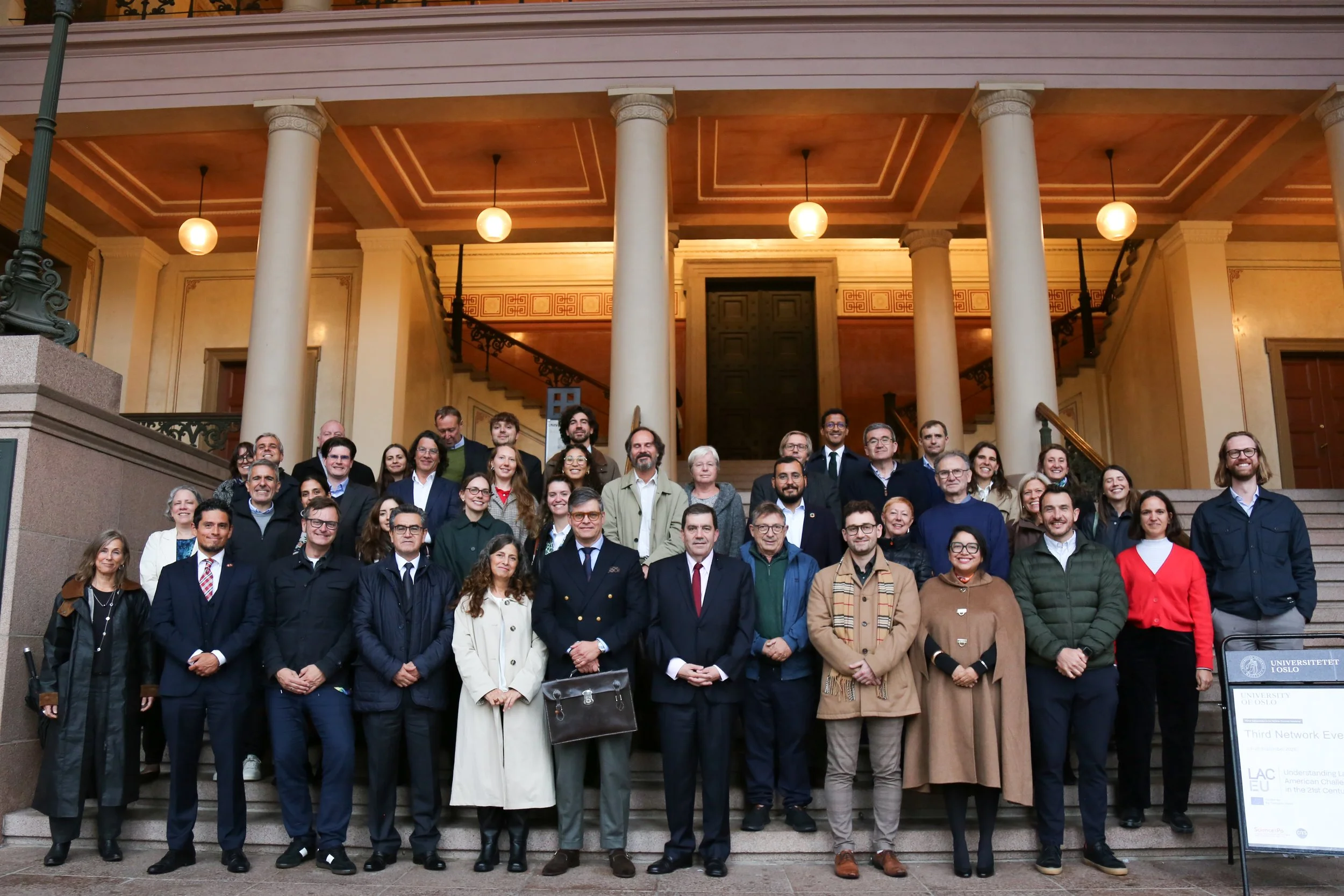
From 23 to 25 September 2026, the LAC-EU MSCA Doctoral Network gathered in Oslo for its Third Network Event, co-organised by the University of Oslo and Sciences Po. Over three intensive days, doctoral fellows, supervisors, associated partners and members of the External Advisory Board came together for public debates on Brazil's upcoming elections and the rise of the far right, methodological and career-development workshops, and sessions dedicated to the fellows' research.
The event followed the First Network Event in York (March 2025), the Summer School in Barcelona (September 2025) and the Second Network Event at FLACSO Argentina (March 2026). It brought the entire network together again, strengthening the relationships the project has been building since 2024, and took place as most fellows enter the third year of their PhD programmes.
Public debates on Latin America and Europe
The first day opened with a roundtable on the Brazilian elections, scheduled for 4 October 2026. Yuri Kasahara (Oslo Metropolitan University), Andrea Ribeiro Hoffmann (PUC-Rio) and Georg Wink (University of Copenhagen) discussed the country's political landscape and the possible outcomes of the presidential and congressional races. The roundtable was moderated by LAC-EU doctoral fellow Luca Venga (Sciences Po).
A public debate on the rise of the far right in Latin America and Europe followed, with Andrés Rivarola Puntigliano (Stockholm University), Georg Wink (University of Copenhagen) and Lisa Zanotti (Central European University), moderated by Benedicte Bull (University of Oslo). The speakers examined the similarities and differences between far-right movements and leaders on both sides of the Atlantic, offering a timely framework for analysing them.
The day closed with an event dedicated to the 25th anniversary of the Inter-American Democratic Charter of the OAS. Rolando Ruiz Rosas Cateriano, Ambassador of Peru in Norway, Andrés Rivarola Puntigliano (Stockholm University) and Andrea Ribeiro Hoffmann (PUC-Rio) reflected on the impact and legacy of the document.
On the second day, Elin Lerum Boasson (University of Oslo) delivered a lecture on EU climate policy, followed by comments from Barbara Göbel (Ibero-American Institute, Berlin), member of LAC-EU External Advisory Board, and Solveig Aamodt (CICERO Center for International Climate Research). The session was moderated by doctoral fellow Gustavo Cadenas Delascio (University of Oslo).
Research feedback and training
Research was at the core of the second and third days. In group sessions, fellows presented the progress of their projects and discussed how they engage with the Latin America and Caribbean-Europe connections. As they enter the third year of their PhDs, they submitted draft thesis chapters or articles and received specific and constructive feedback from both senior researchers and fellow doctoral researchers in the network.
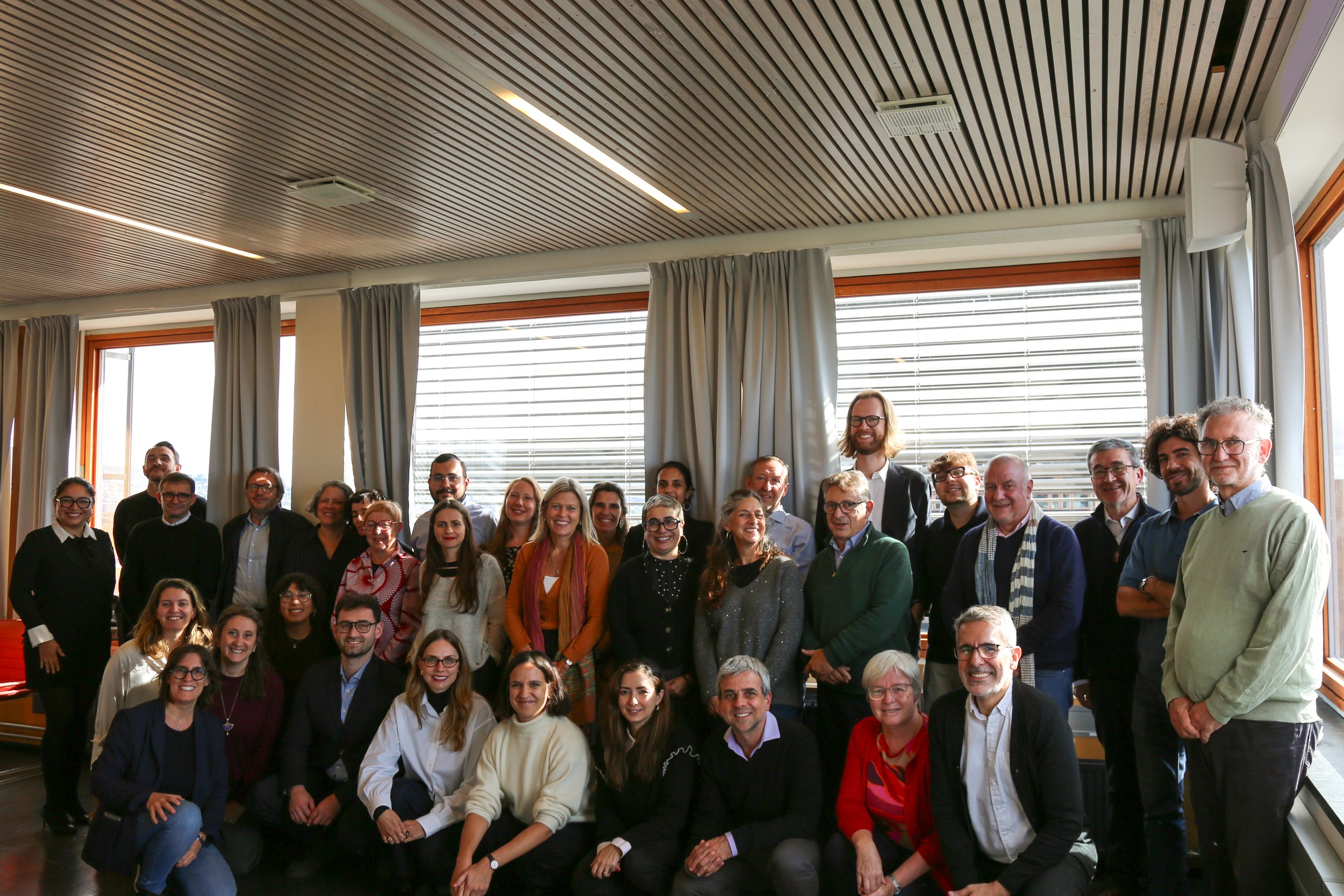
The programme also included a series of workshops:
Social and Policy Network analysis, led by Jacint Jordana (UPF-IBEI) and Axel Marx (KU Leuven)
Ethnographic comparative analysis, led by Gabriel Feltran (Sciences Po), who presented the methods used in his research on drug trafficking between Europe and Latin America
Qualitative Comparative Analysis (QCA) for social sciences, led by Axel Marx (KU Leuven)
Career development, tailored for advanced PhD candidates
How to navigate academic publication, led by Patrick Le Galès (Sciences Po)
The second day ended with a guided tour of the Munch Museum and dinner at Litteraturhuset in Oslo city centre.
A programme that responds to the fellows' needs
Reporting back to the Supervisory Board, the doctoral fellows expressed their enthusiasm about the direction of the network's activities. "The events keep improving," they noted. "We appreciate that they are increasingly tailored to our needs and are addressing more career-specific topics, including publishing and the practical tasks we need to undertake."
This sense of collegiality and shared purpose are what makes the network work so well. It also provides crucial support to the doctoral candidates, who are at the heart of the LAC-EU initiative.